We recently had a Surf Tribe collaborator visit Angola. It's one of the least-written-about surf destinations on the map, so naturally we were curious about his experience.
Turns out he came back with more than just a few photos and memories of epic surf days.
Normally we soak up loads about a destination before we go, whether we mean to or not. Angola's different.
There's so little out there on surfing it that turning up with any real expectations is near impossible. And that, he said, is exactly what makes it worth the effort.
Here's what surfing Angola taught him counting down to the thing that resonated most.
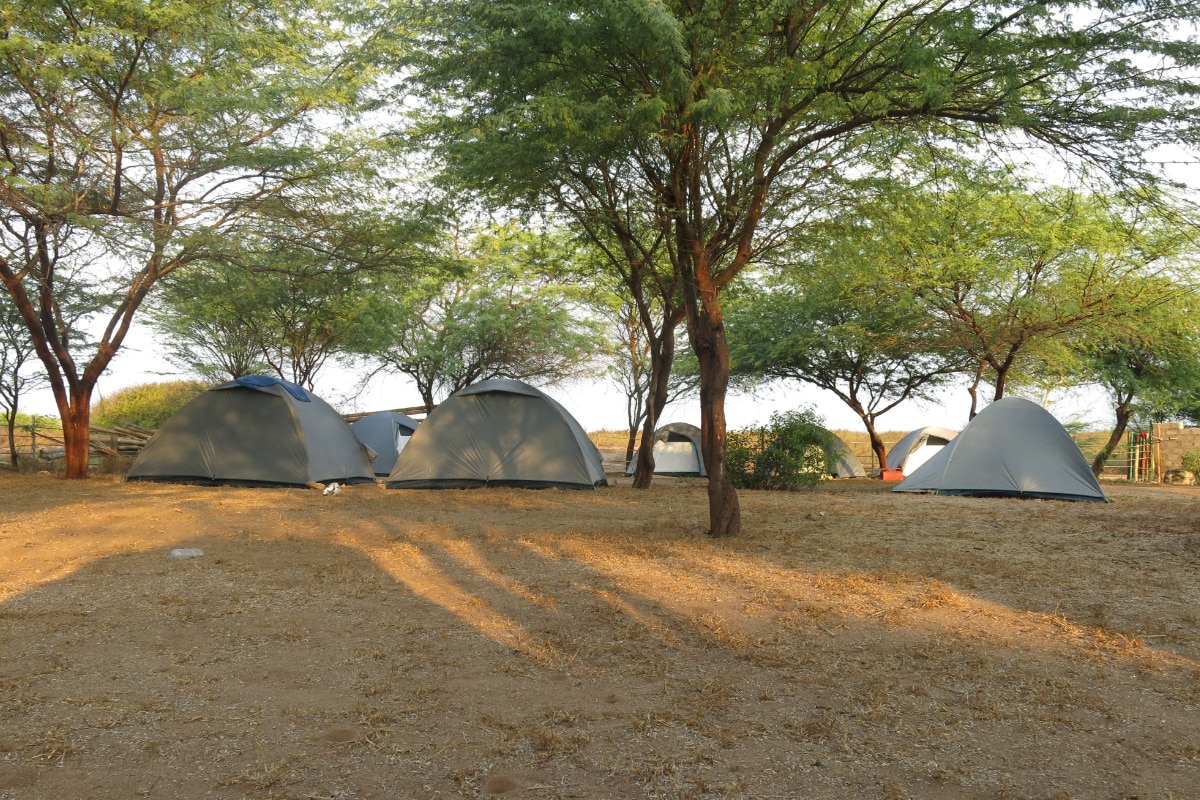
9. The coastline is underdeveloped in all the right ways
Plenty of surfers see a lack of flat whites and easy-access breaks as a dealbreaker. We see it differently. To us it's proof there are still surf spots out there waiting to be found… and that's a pretty beautiful thing.
8. Hard-to-reach spots keep away the crowds
The lack of access isn't a flaw. It’s the antidote to oversaturated surf breaks and crowded lineups. Every bumpy dirt road to drive, cliff to climb down or hill to hike over is another reminder that you’ll be surfing alone.
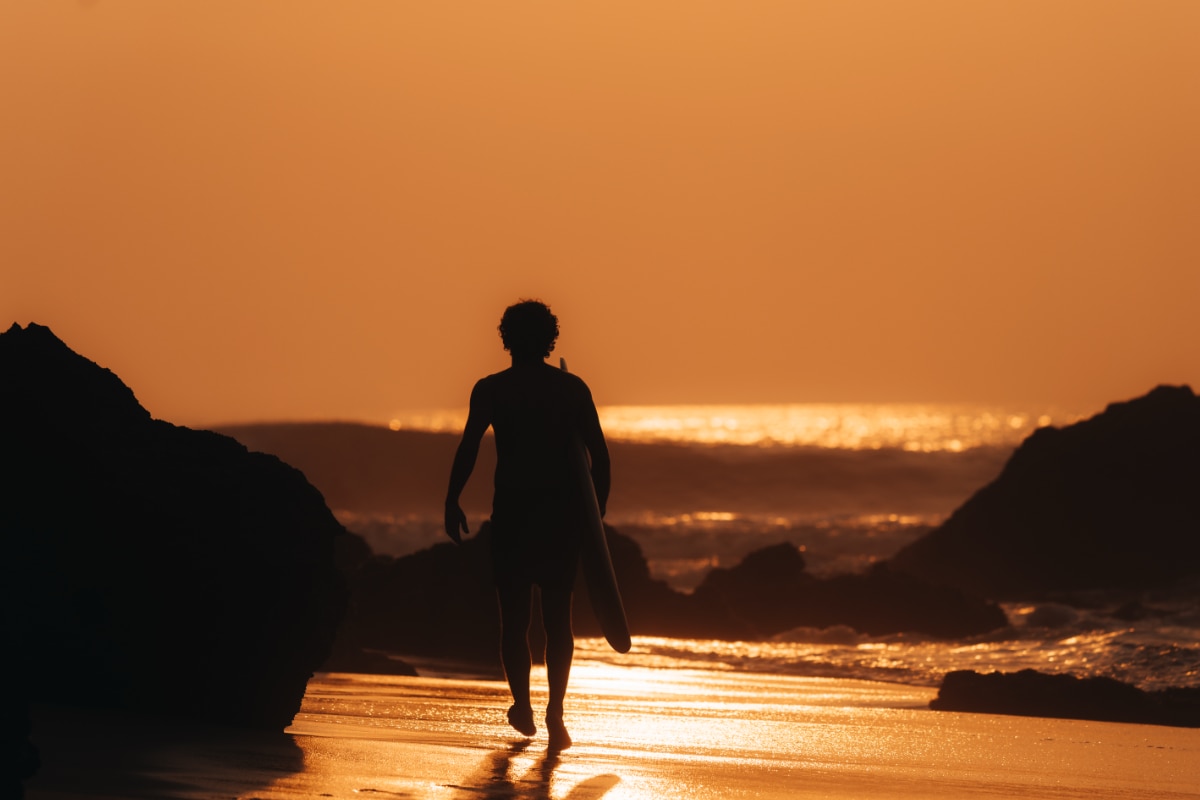
7. Local surf knowledge can only be gleaned by talking to people
There aren’t many surf forecasting sites or spot guides that cover Angola. Even fewer that are accurate. What's working, when it works and how to reach it lives exclusively in the heads of the people who surf that coast. Some spots are well known, but others that are just as good will need to be discovered the old-fashioned way: by asking questions and being patient.
6. You need to bring all of your surf gear. No surf shops
Boards, fins, spares, wax, repair kit. Bring all the surf gear you need plus more. It’s recommended to leave stuff for the locals to use when you head home, given that surf hardware or retail stores don’t exist in Angola.
5. You plan or you don't surf. Food, fuel, cash… it helps to go with a group
A big part of surfing is the adventure. With a fancy retreat, you trade that away for convenience. In Angola you're part of the journey, not a passive attendee. The catch: food, fuel, cash all need sorting in advance. Which is exactly why we handle it all on our group trip.
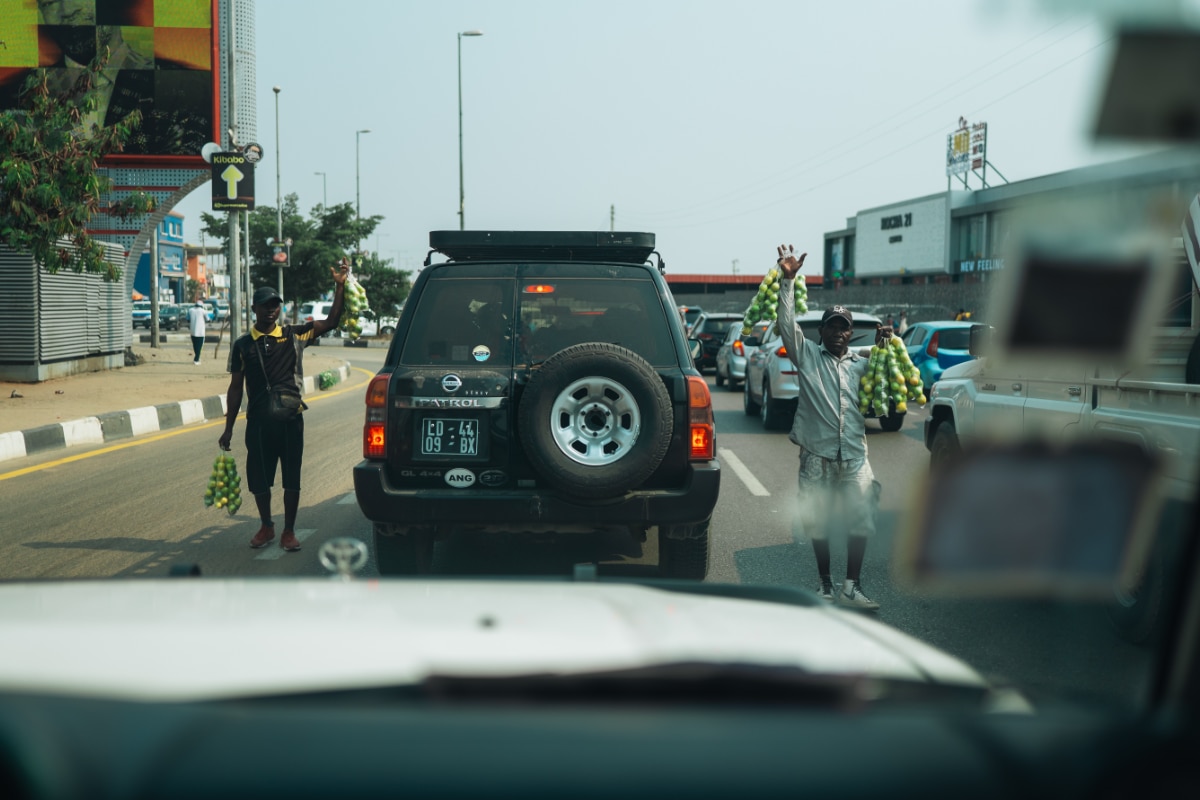
4. Patience is key when it comes to swell
Angola sits above Namibia, and thanks to the geography of the Namibian coast, the dominant south swells get partly blocked before they reach it. So you wait for the right window. Some days you score, some you don't. And unlike more reliable surf zones, you'll need to be comfortable doing a lot of nothing on the down days.
3. There's a certain element of self-sufficiency
No lifeguards, no coffee cart, limited backup. Might sound sketchy, but actually it was refreshing. Angola makes you a more deliberate and more calculated surfer… and therefore invested in the trip.
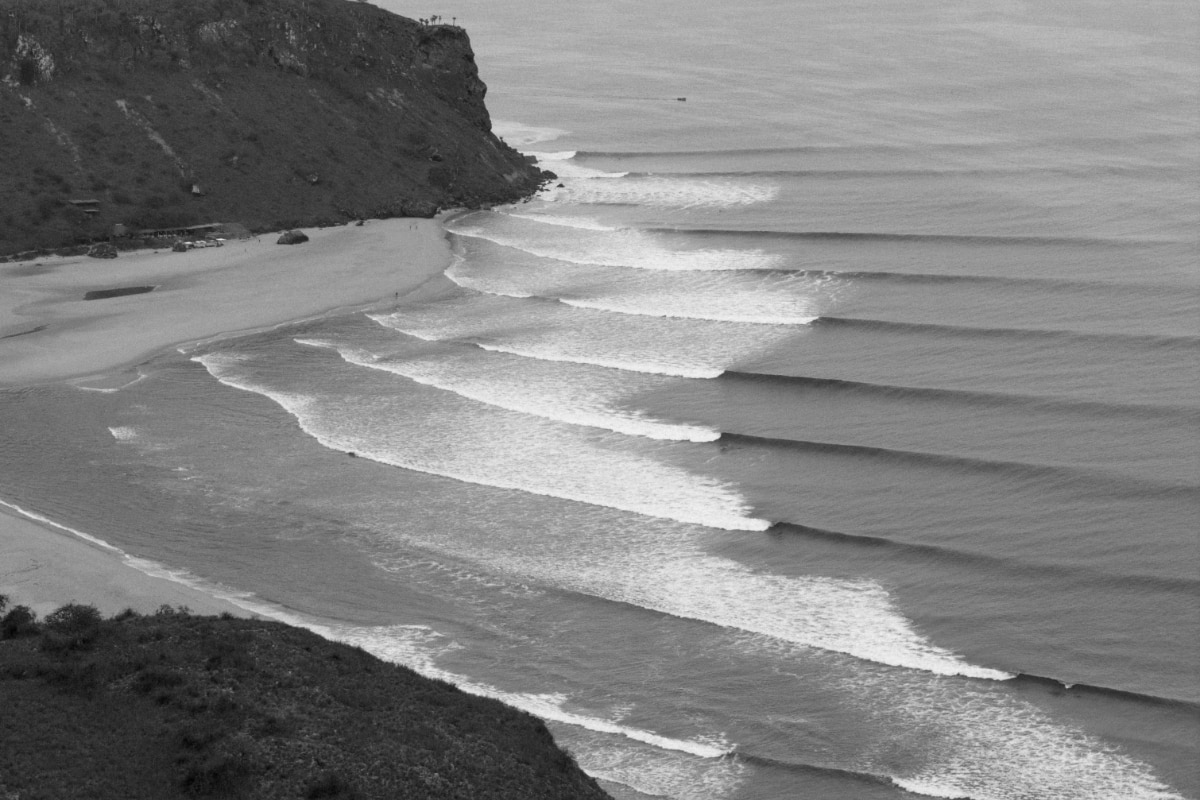
2. World-class pointbreaks and almost no one on them
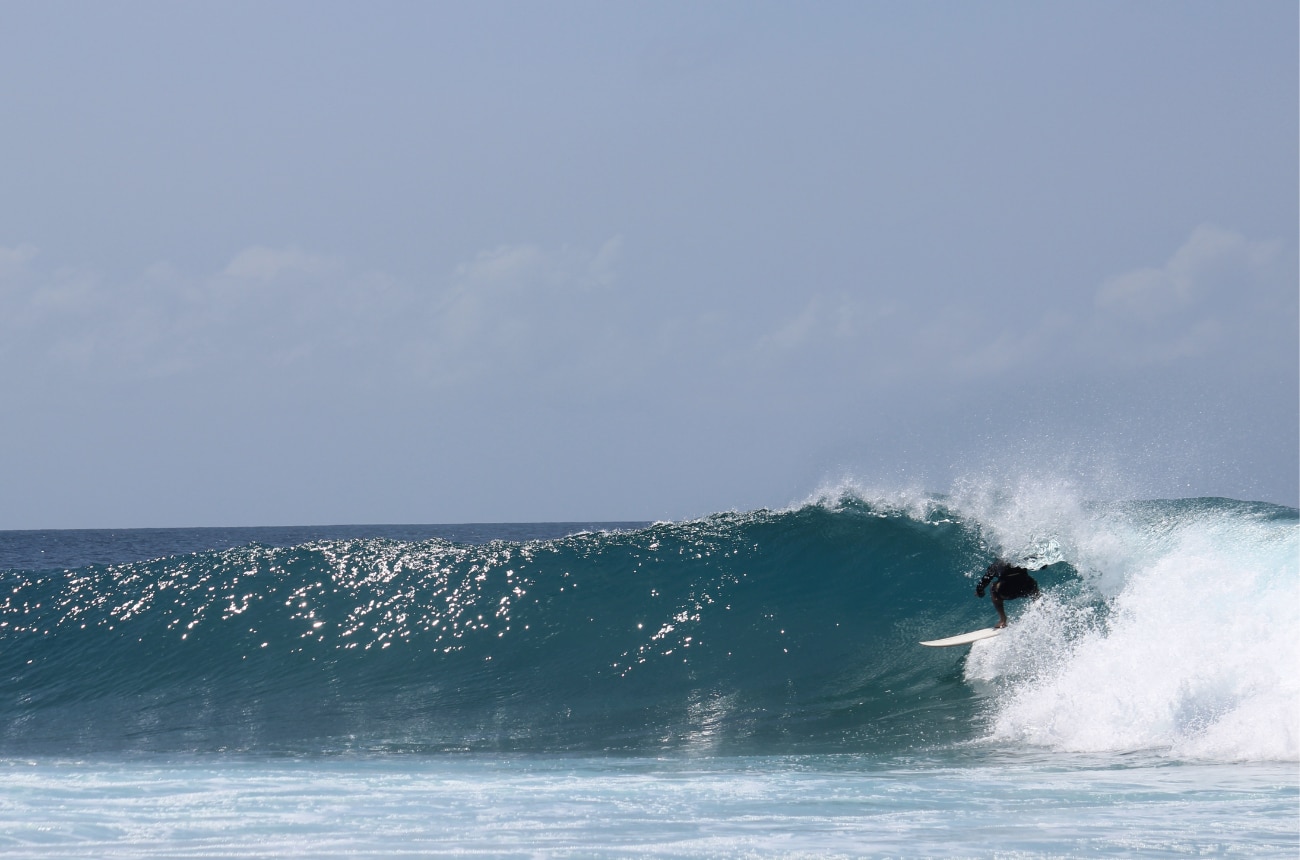
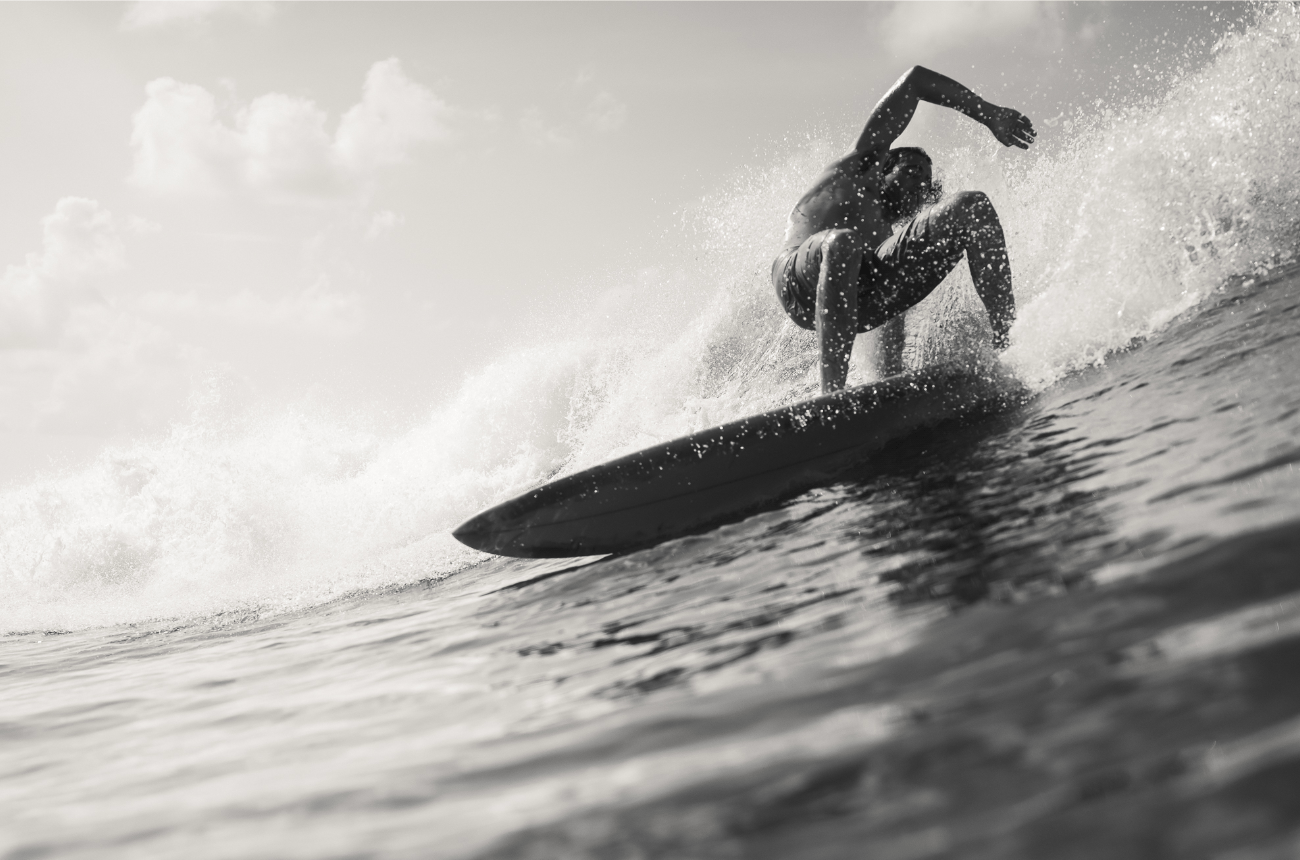
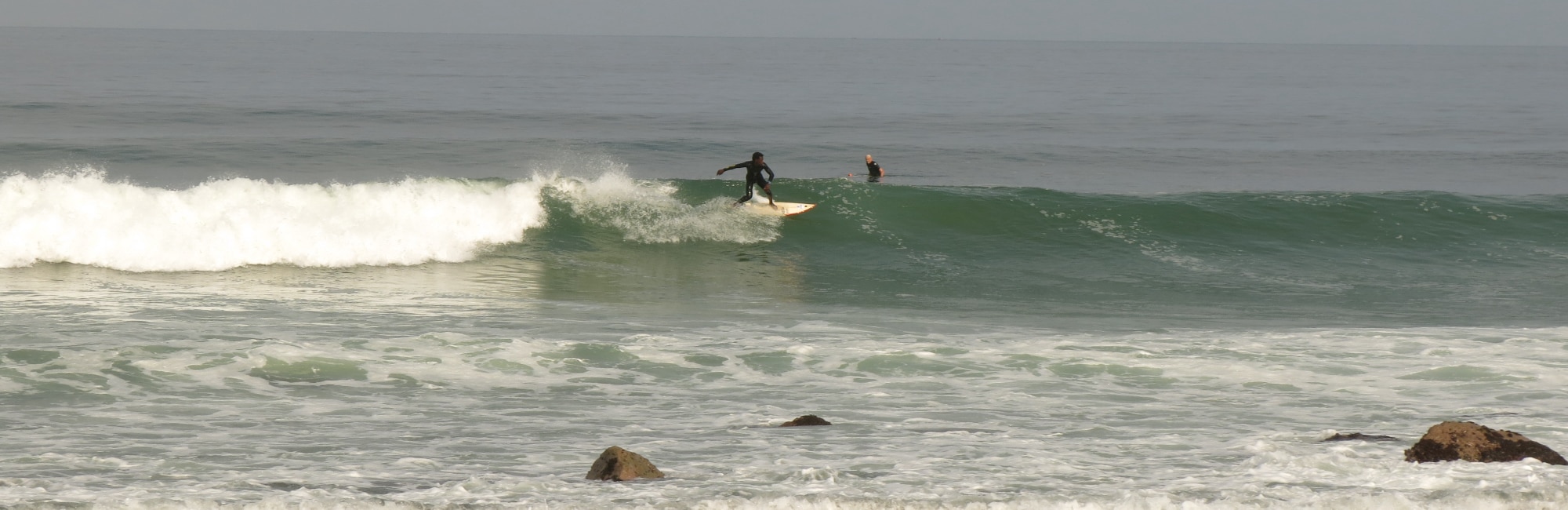
This is the part no one writes about (because barely anyone's there to write it!). Leg-burning rides on a mix of steep and mellow walls, waves that pulse with all the power of the Southern Ocean when they arrive. Crowds are almost non-existent even at popular spots like Cabo Ledo. They’re legitimately not a thing once you venture further.
1. Surf trips to places like this remind you that surfing is more than riding a wave
Trips like this remind you how much of surfing happens outside of the water. The planning, the driving, the people you meet, the not-knowing and going anyway. You come home not thinking about the next perfect wave, but the next place that might surprise you… and maybe even alter the course of your life.
Angola Surf FAQ
Q. Is Angola good for surfing?
Yes… Angola has world-class, uncrowded pointbreaks. Almost all lefthanders. A goofyfooter’s paradise.
Q. Where is the best surf in Angola?
Cabo Ledo, south of Luanda, is the country's best-known surf spot. It’s a long, mellow-ish left with steeper sections out the back and a more longboard-style wave on the inside.
Q. What is Cabo Ledo known for?
Being long, wally, lefthand pointbreak that peels for hundreds of metres on the right swell.
Q. When is the best time to surf Angola?
The southern-hemisphere winter, roughly April to September, delivers the most consistent swell.
Q. Do you need to be experienced to surf in Angola?
It suits intermediate and advanced surfers most, given the remoteness and lack of surf services.
Q. How do you get around to surf spots in Angola?
A 4x4 and local guidance are essential, as spots are unmarked and often hard to reach. Then again… you can just join one of our trips where it's all sorted for you.
Q. Is surfing in Angola crowded?
Rarely. Poor tourism infrastructure keeps lineups nearly empty even at the best waves.
Q. How does Angola compare to other West Africa surfing spots?
Less developed than Ghana or Morocco with fewer crowds and more self-reliance required.
Q. Is Angola safe for a surf trip?
Generally yes with planning, though you should organise transport, cash and supplies in advance.
Angola isn't for everyone and we won't pretend it's easy. But if you're the kind of surfer who reckons the best waves are meant to be hard-won, it’s for you. Empty pointbreaks, no crowds, nothing handed to you… just surfing Angola in its rawest form.
photos courtesy of our local partner Angola Waves