Nicaragua has quietly become one of the most reliable surf destinations on the planet.
Consistent offshore winds, warm water, a long swell window, and a mix of friendly beach breaks and heavier reef setups have put its Pacific coast firmly on the map.
Whether you’re here for powerful reef waves, mellow sandy beaches or the simple pleasure of a cold beer after a long session, surfing in Nicaragua offers something for everyone.
Thinking about a trip to the Land of Lakes and Volcanoes? We've got you. Here’s everything you need to know about surfing in Nicaragua and our collab with the Popoyo Surf House.
Why surf Nicaragua
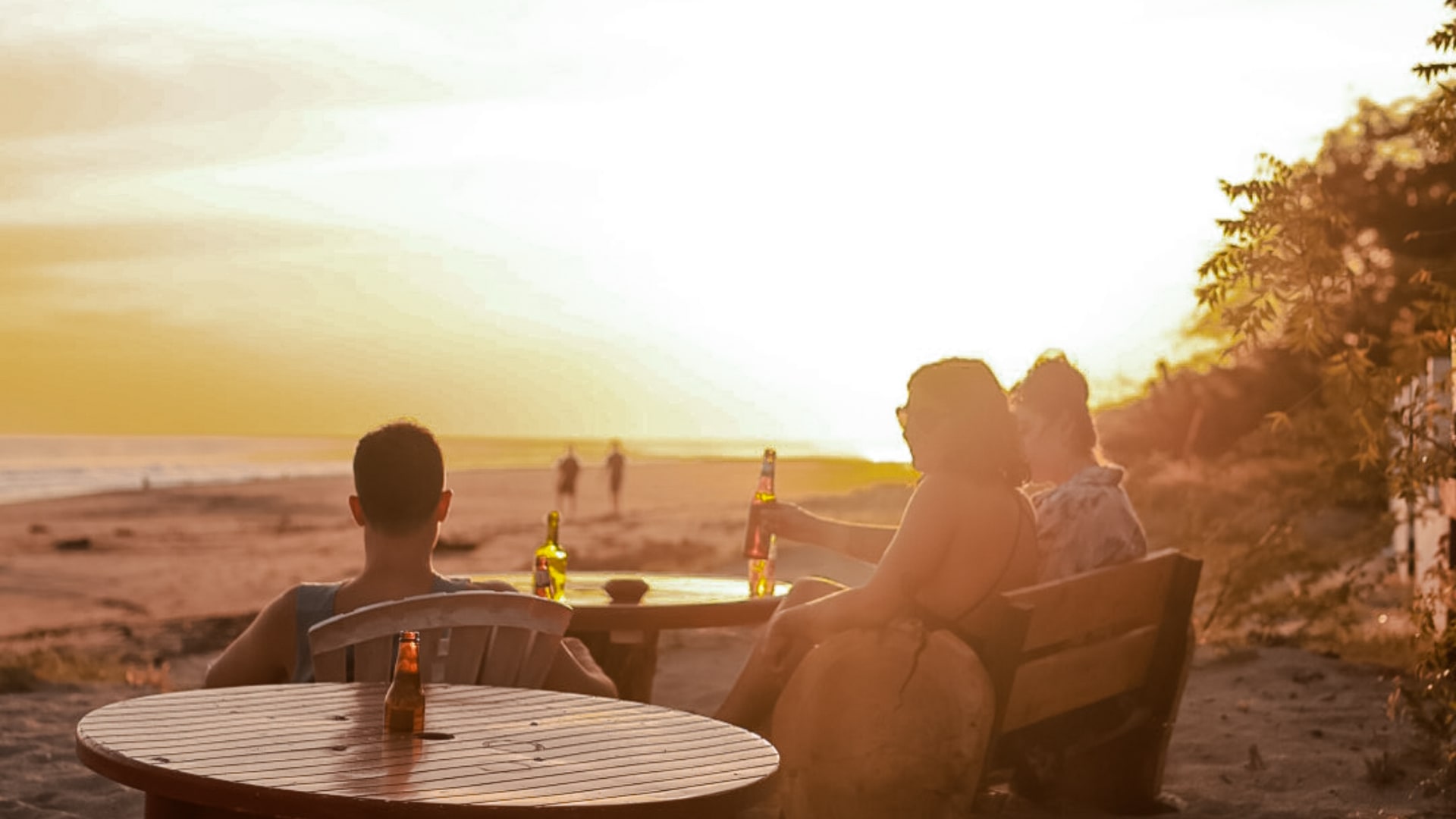
Nicaragua delivers something most surf destinations in Central America can only dream of: roughly 300 days of offshore wind a year.
This means that you essentially remove one of the biggest factors determining whether you surf or not. With offshore winds all but guaranteed, you only need to check the swell and tide. That's it!
These practically ever-present offshore winds blow thanks to the tradewind effect created by Lake Nicaragua. A massive inland lake whose winds blow straight toward the Pacific Ocean, grooming waves so they remain smooth, clean and rideable all day long.
Combine that with:
- A coastline exposed to long-period N, NW and SW swells
- Warm tropical water (no wetsuit needed)
- Consistent year-round waves
- Fewer crowds than Costa Rica
- A relaxed beach experience
And it's easy to see why the country keeps topping surfers’ bucket lists. If you’re after a destination that almost guarantees clean, surfable conditions, Nicaragua has that and more.
Where to surf
Popoyo: One of the country’s main surf hubs
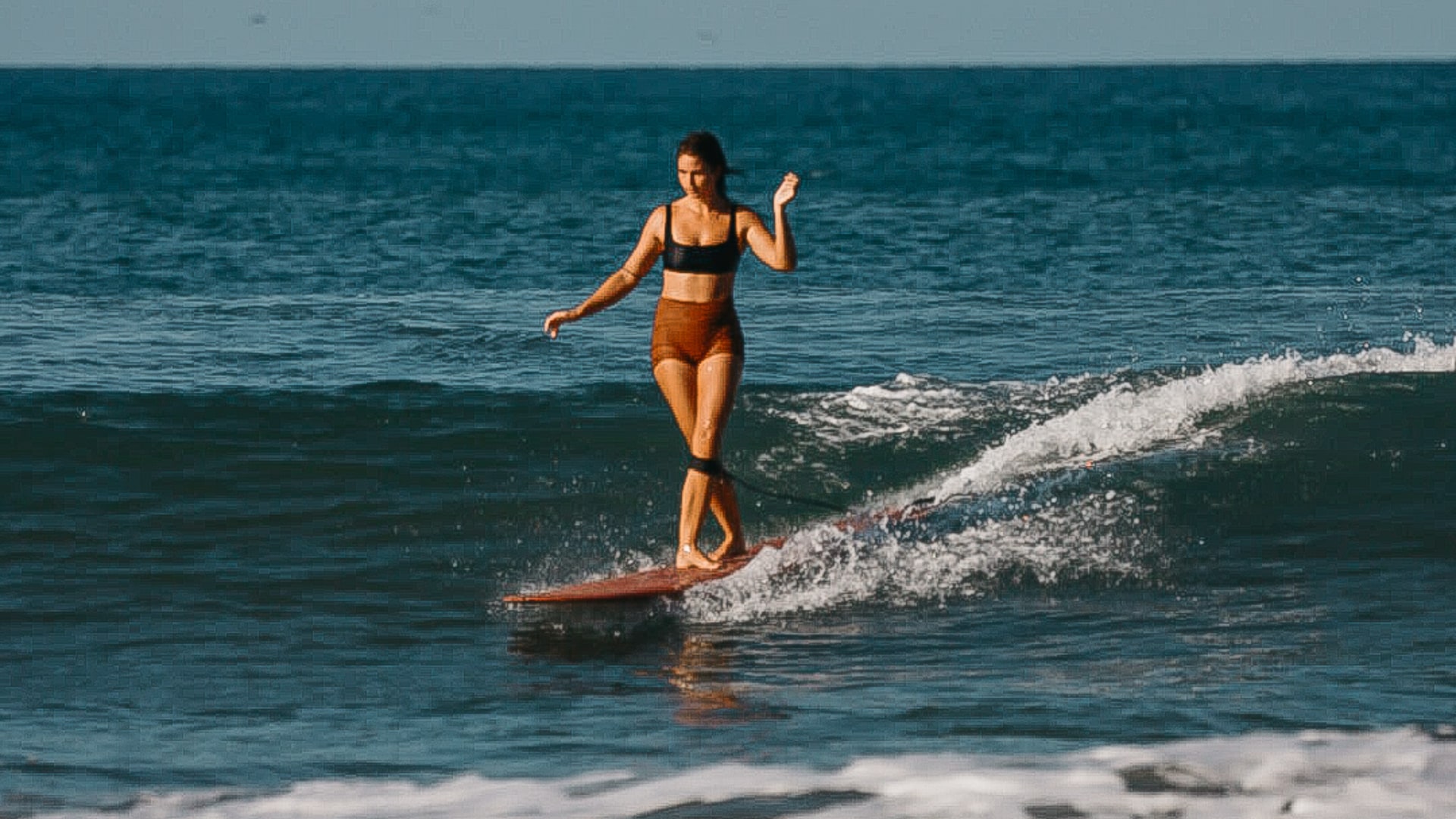
Popoyo is Nicaragua’s most famous wave and the focal point of its southern surf zone. The main reef is a predictable left/right break that works on most tides... ideal for intermediate surfers who want to push their level.
On bigger swells, the Outer Reef awakens into a powerful, slabby wall that’s strictly for experienced surfers. Beyond the reef, the area offers mellow beach breaks and soft-sand stretches that suit learners.
With surf shops, small towns like Playa Gigante nearby, and easy access to other beaches such as Playa Redonda and Playa Popoyo itself, this beautiful stretch of coast is one of the best places to base yourself.
Better yet, check out our surf weekswith Popoyo Surf House and combine epic waves with awesome hospitality!
Playa Maderas: Friendly, consistent, a-frame peaks
Playa Maderas is one of the most popular beaches near San Juan del Sur and a favourite spot for both beginners and progressing surfers.
Expect forgiving A-frames, consistent waist-to-chest-high surf in the dry season, surf lessons on offer daily and a lively social scene. Located only a short drive from San Juan’s cobblestone streets, Maderas is the closest high-quality surfing beach for many travellers staying in town.
Colorado: Hollow, fast and blow-your-hair-back powerful
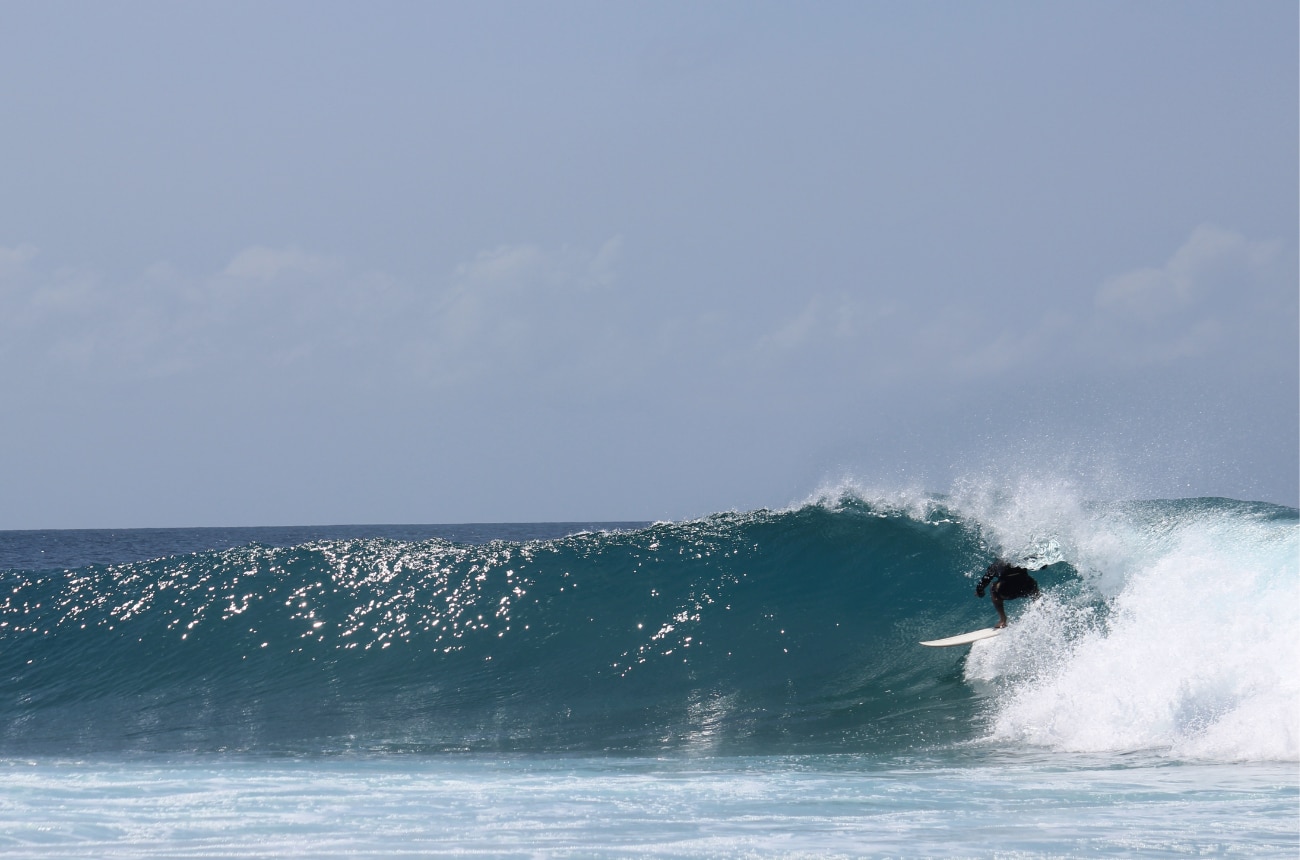
Playa Colorado is the high-performance jewel of the Pacific coast, a private-access beach break known for world-class barrels and fast, punchy peaks.
Thanks to river flow and sand movement, the banks stay remarkably consistent. This is where advanced surfers come for great waves, and where experienced surfers can score some of the best tubes in Central America.
Panga Drops: Big, ledgy, rolling peaks
Just around the corner from Colorado, Panga Drops is a deeper-water reef known for its big, rolling A-frames and long, open faces.
It’s a great spot for intermediates looking to build confidence in size and for anyone who wants something a little more forgiving than Colorado. A boat gets you into the lineup faster, but you can also paddle out from the beach.
Puerto Sandino: A goofy footer's dream
On the north side of the country you’ll find Puerto Sandino.
This is a long, reeling left point/rivermouth with silky walls and the potential for extremely long rides. It’s less crowded, a bit more remote and when the swell direction aligns, it becomes one of the best waves in the region.
Honestly... it can be almost Indonesia-like in its quality on good days. As such, it's a must-surf spot if you're in the area and one of the best in Nicaragua for fast surf trip progression.
Northern Nicaragua: Empty lineups and raw coastline
Around Aposentillo, Playa Las Peñitas, Playa Poneloya and The Boom, you’ll encounter raw, uncrowded surf breaks, punchy beach waves and small towns with true local character.
This north side region suits advanced surfers hunting solitude and power. It’s also where you can combine surf with nature activities like whale watching, horseback riding, paddle boarding, fishing and exploring tide pools.
When to surf
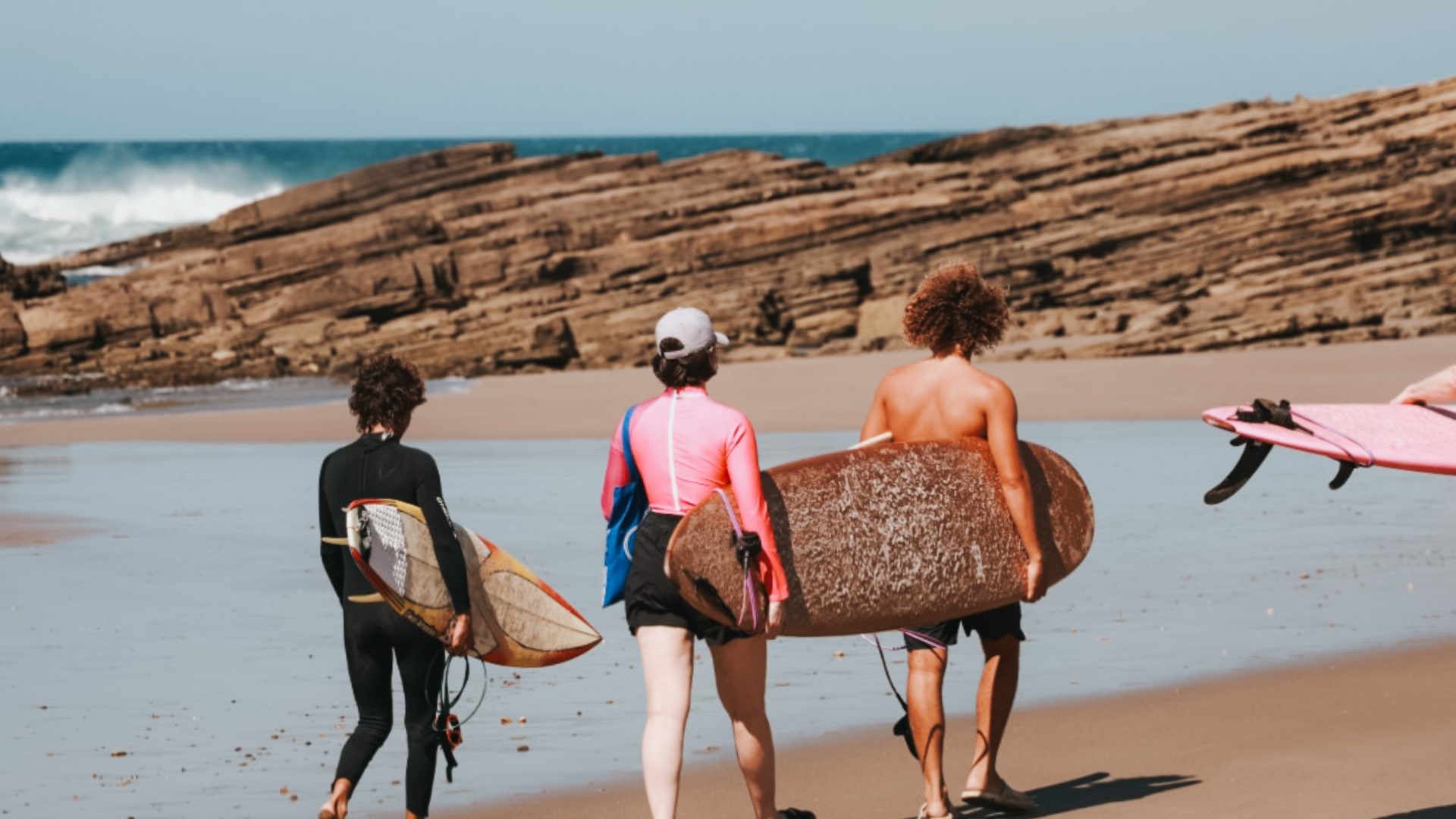
March to November is the primary swell season
- The Pacific coast lights up with long-period southern hemisphere swell
- Expect bigger, more powerful surf, frequent overhead days and ideal conditions for intermediate and advanced surfers
- With the offshore wind still blowing, Nicaragua’s waves remain remarkably groomed through much of this period
November to April is the dry season
- The dry season brings smaller, cleaner surf with warm, sunny days and predictable conditions
- This is the best time for beginners, early intermediates and beach time in general
- Beaches like Playa Remanso, Playa Marsella, Punta Jesus Maria and Playa Hermosa offer calm waters on smaller days and long stretches of soft sand
Year-round summary
- If you want power and size: March–August.
- If you want clean, gentle surf: December–April.
- If you want both: May–July — the sweet spot.
Who is Nicaragua best for?
Beginners find friendly waves in the dry season at beaches like Maderas, Remanso and the sheltered corners near San Juan del Sur.
Intermediates thrive throughout the year thanks to Nicaragua’s steady swell, approachable reefs and consistent conditions. Advanced surfers come for Colorado, The Boom, the Outer Reef at Popoyo and bigger days at Playa Yankee and other exposed surf breaks.
Local surf culture and travel vibe
Nicaragua’s surf culture is relaxed and unpretentious.
Expect small towns, simple beachfront cafés and that barefoot, surf-all-day feeling. San Juan del Sur is the main social hub, with access to multiple beaches, lively bars serving cold beer and fish tacos. Popoyo is more surf-focused, with easy access to multiple breaks within a short drive or boat ride.
On the Caribbean coast, places like Pearl Lagoon, Little Corn Island, Corn Island and the Pearl Cays offer a completely different atmosphere: white sand, calm waters, small beach coves and the Caribbean Sea replacing the Pacific Ocean.
While the Caribbean side isn’t a major surf destination, it’s perfect for paddleboarding, snorkeling and slow days between surf missions.
If you like simple living, warm water, and easy access to all the beaches you could want, Nicaragua might become your favourite spot in Central America.
What to pack
- A daily-driver surfboard suited for 3–6 ft waves
- A step-up board if you’re visiting during peak swell season
- A rashguard or surf tee for sun protection
- Reef-safe sunscreen
- Booties (optional, depending on reef comfort)
- Light, breathable clothing for the warm climate
- A hat and sunglasses for beach time
- A small dry bag for boat tours or day trips
- Flip-flops or sandals
- A reusable water bottle
Learn more about surfing equipment and what you need to bring on a Nicaragua surf trip.
FAQ: Surfing in Nicaragua
Q. What are the best beaches for surfing in Nicaragua?
Popoyo, Playa Maderas, Playa Colorado, Panga Drops, Playa Yankee, Playa Hermosa, Las Peñitas and The Boom are among the best beaches for surfing on the Pacific coast of Nicaragua. There are, of course, plenty more... but we like to keep those secret. Here's why.
Q. What is the closest surfing beach to San Juan del Sur?
Playa Maderas is one of the closest and most popular surfing beaches near San Juan del Sur, followed by Playa Remanso and Playa Marsella.
Q. Can beginners surf in Nicaragua?
Yes. Beaches like Maderas, Remanso and the mellow corners around Popoyo offer soft sand entries, smaller waves in the dry season and plenty of surf lessons available.
Q. Are there good beaches for non-surfers?
Absolutely. Playa La Flor (famous for sea turtles), Playa El Coco, Playa Hermosa and Playa El Ostional are beautiful beaches with calm waters on smaller days and wide stretches of sand for swimming and relaxing.
Q. Is Little Corn Island good for surfing?
Little Corn Island, along with Corn Island, sits in the Caribbean Sea. They're not a surf destination. However, they are perfect for paddleboarding, snorkelling and exploring small islands with white sand beaches.
Q. Can you combine surf with other activities?
Yes. Horseback riding on the beach, boat tours, whale watching, hiking Ometepe Island, visiting Punta Jesús María, checking out tide pools, day trips to San Jorge, exploring a half-moon beach or two beaches in a single outing... the Pacific coast makes it easy.
Q. Is Nicaragua good for intermediate and advanced surfers?
Very. Intermediate surfers will love the approachable reefs at Popoyo and Panga Drops, while advanced surfers come specifically for Playa Colorado, The Boom, the Outer Reef and bigger days at the wedge (Playa Yankee).