Surfing in Ireland is raw and kinda chilly, but waaay more fun than people expect.
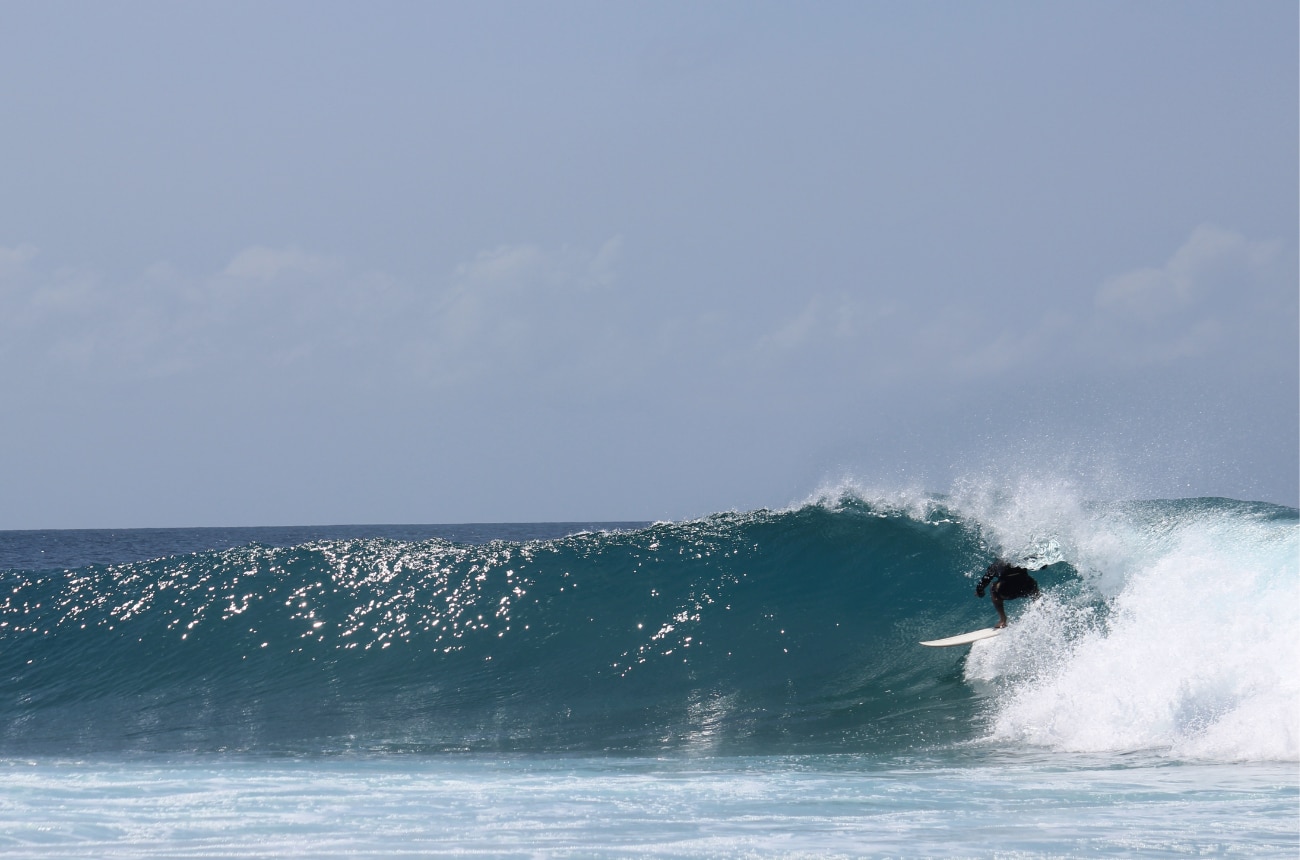
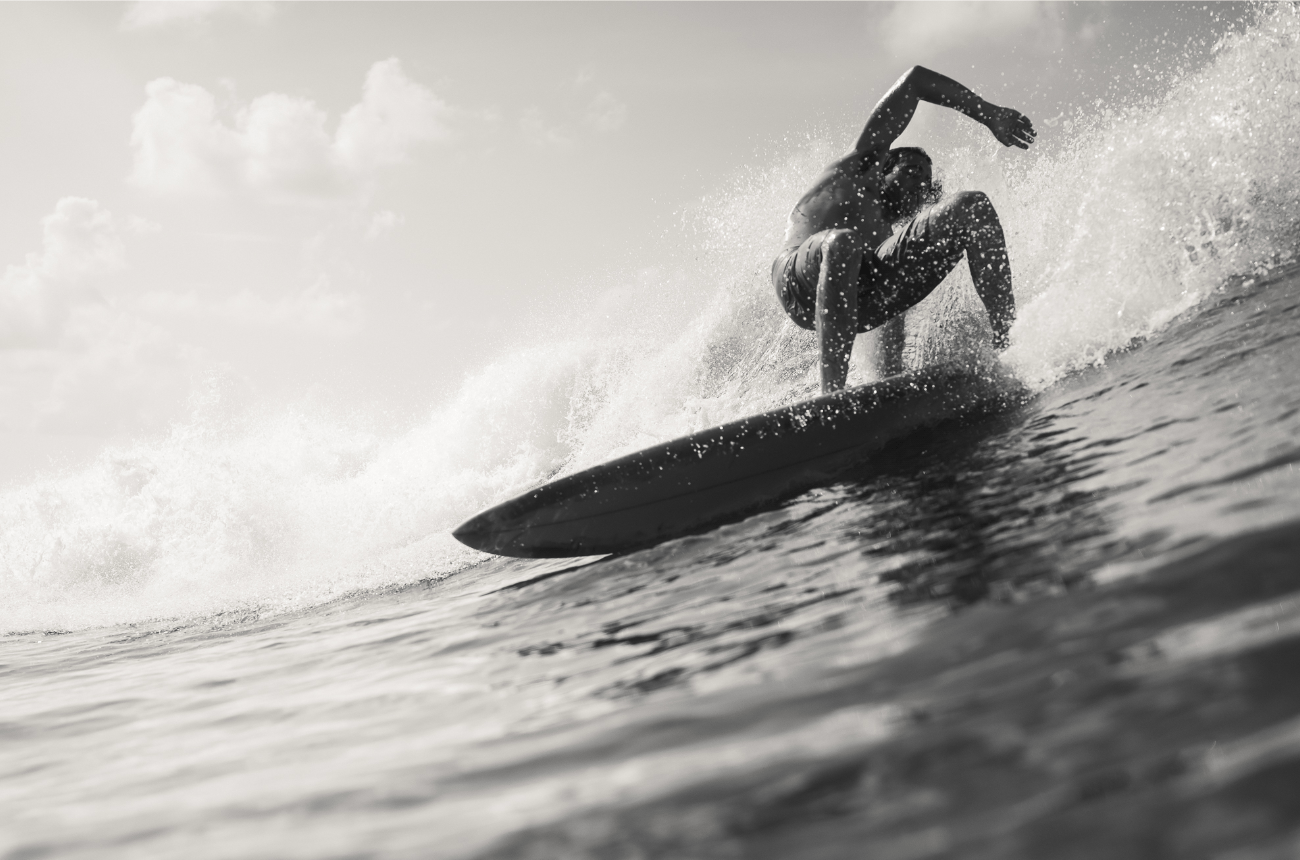
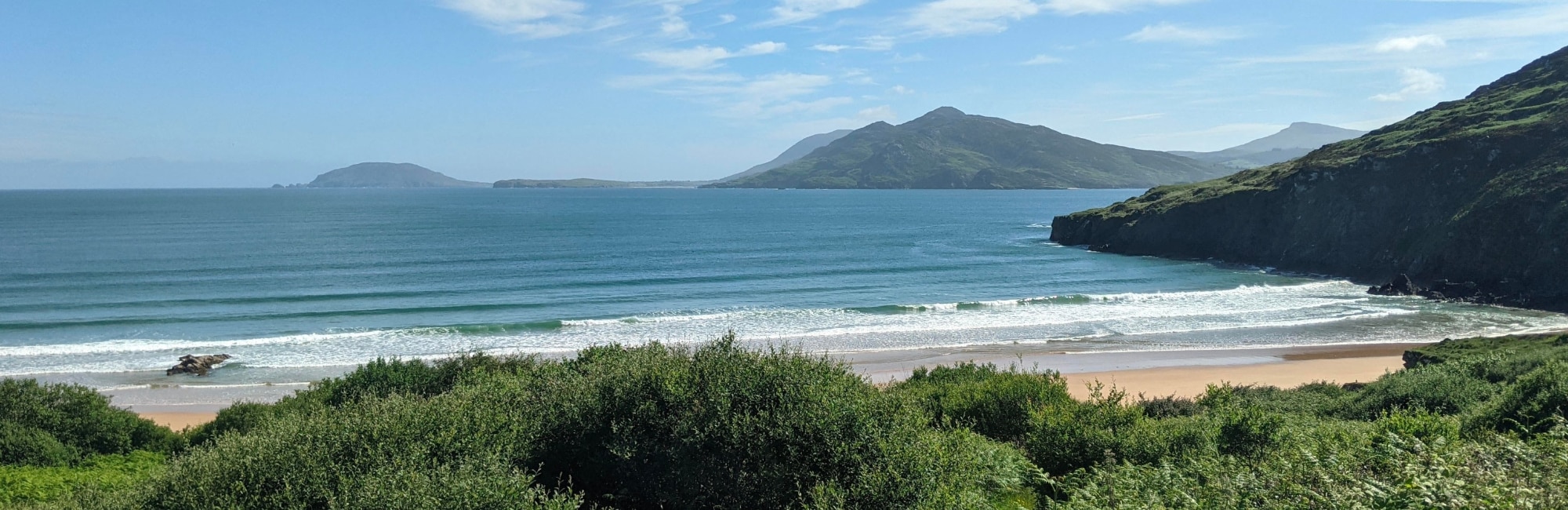
Sitting right in the path of the North Atlantic, the Emerald Isle gets hammered by swell year-round. From open beach breaks backed by sand dunes to heavy reef setups tucked under cliffs, Ireland surf is shaped by the Atlantic Ocean and built for surfers who don’t mind a little unpredictability or adventure.
This isn’t a polished palm-tree-surf destination. It’s wild and somewhat moody... but incredibly rewarding.
And once you get a taste of Irish surfing, it tends to stick with you.
Here’s everything you need to know about surfing in Ireland in under 7 minutes.
Where Ireland’s waves come from
Ireland sits front and centre in the North Atlantic.
That means waves originating from powerful low-pressure systems roll across the ocean and light up the coast regularly.
Most of that energy hits the northern and western shores first. The west coast and north coast pick up the most consistent swell, while the south can offer shelter when things get big or the wind turns onshore. The result is surf that works year-round with very few flat spells.
A few things to know:
- Swell is frequent and powerful
- Wind can be tricky to judge (knowing how to read a forecast helps!)
- Beach breaks dominate but reefs add spice
- Local knowledge is essential, given the quirks of the coastline
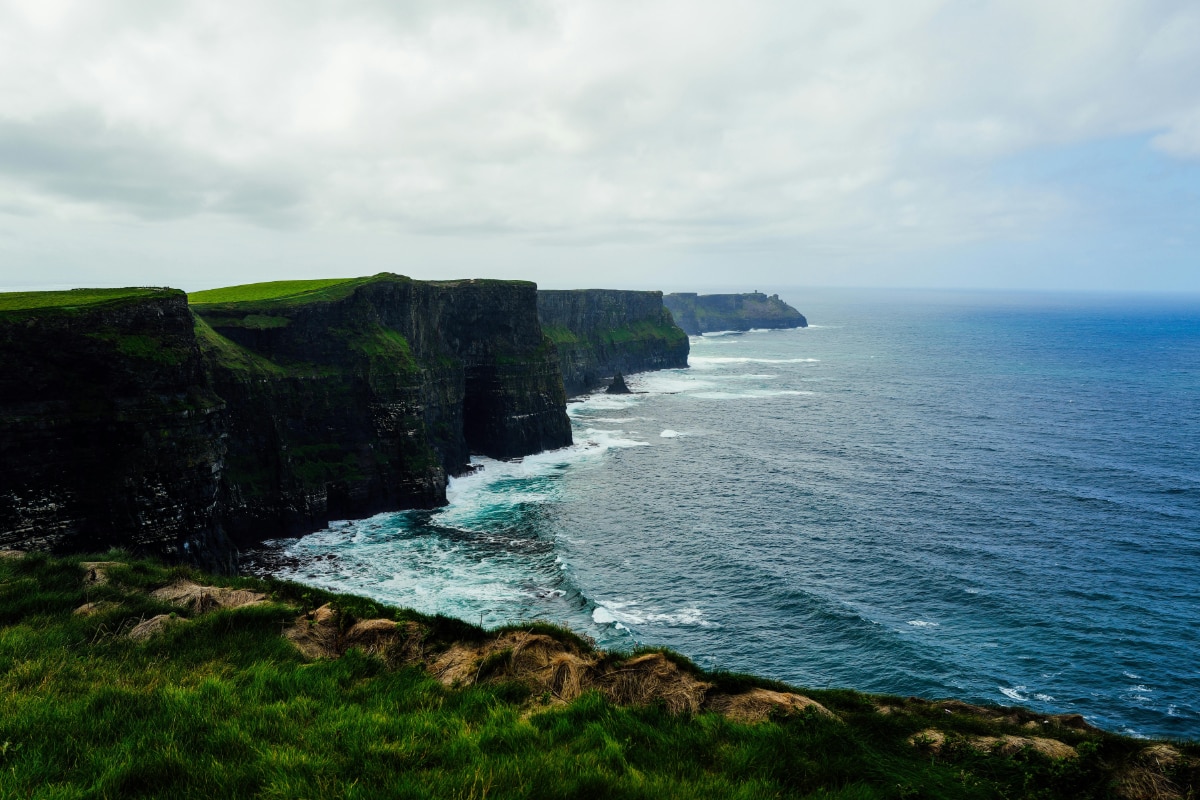
The main surf regions of Ireland
West coast: The bread and butter of Irish surfing
If you’re talking about the best surf in Ireland, you’re usually talking about the west coast.
Counties Clare, Sligo, Mayo and Donegal (our fav!) are stacked with surf spots that give you loads of options on any given day.
County Sligo often gets called the surf capital of Ireland. And for good reason. You’ve got a high concentration of consistent beach break setups that handle a wide range of conditions. Tullan Strand is a standout and East Strand delivers a fun righthand break when the tide lines up. It’s reliable and punchy and popular with many surfers.
County Clare mixes open beaches with reef breaks wrapped in cliffs. Doolin Point is one of the better-known waves here and when it’s on, it’s very on. More on County Donegal below.
South west: Long rides and cruisy days
County Kerry is where things mellow out a bit. Brandon Bay is famous for its long walls and forgiving shape, making it ideal for beginners and intermediate surfers.
Inch Strand is another go-to with space to spread out and waves that stay friendly even on bigger days.
This area is packed with surf schools, surf camps and surf shops that offer lessons throughout the summer months. If you’re new to surfing in Ireland, the south west is an easy place to get started.
North west and north coast: Heavy and uncompromising
The north west is a different beast. Colder water. Heavier swell. Waves that demand respect and focus.
This zone is best left to advanced surfers and more experienced rippers who know how to read conditions and manage risk.
Mullaghmore Head is the most famous wave in the country and one of the heaviest reef breaks in the world. Let's call it the opposite of user-friendly.
Northern Ireland also delivers quality surf with spots like White Rocks offering solid beachbreak peaks when the wind behaves. And it rarely does.
Famous surf spots and hidden gems
Ireland has plenty of well-known waves, but what really sets it apart are the hidden gems scattered along the coast.
Some of the best-known surf spots include:
- Mullaghmore Head for serious reef surf
- Brandon Bay for long, consistent rides
- Achill Island including Elly Bay
- Tullan Strand in County Sligo for dependable beach breaks
- Doolin Point which breaks beneath dramatic cliffs
But beyond those names are countless unnamed beaches, fickle sandbanks and sneaky reef setups... which we never name!
This is especially after winter storms, new beachbreaks appear and disappear. It's very possible (so long as you have a local hookup) that you find yourself surfing a perfect wave with no one else around.
Such is the Irish surf experience.
Seasons, swell and what to expect
Surfing in Ireland changes with the seasons, but it never really stops.
Winter brings bigger swell, more power and fewer crowds due to the cold and wild conditions. It’s when the best surf arrives, but it’s also demanding. More time-consuming.
This is prime time for experienced surfers chasing serious waves, but even beginners and intermediates can find sheltered spots with the right local advice.
Summer means smaller surf, better weather and longer days. It's actually one of the low-key most epic warm-weather surf spots in the world, given that the swell is still consistent enough to surf most days and conditions are far more forgiving.
It’s also when surf schools and surf camps are in full swing.
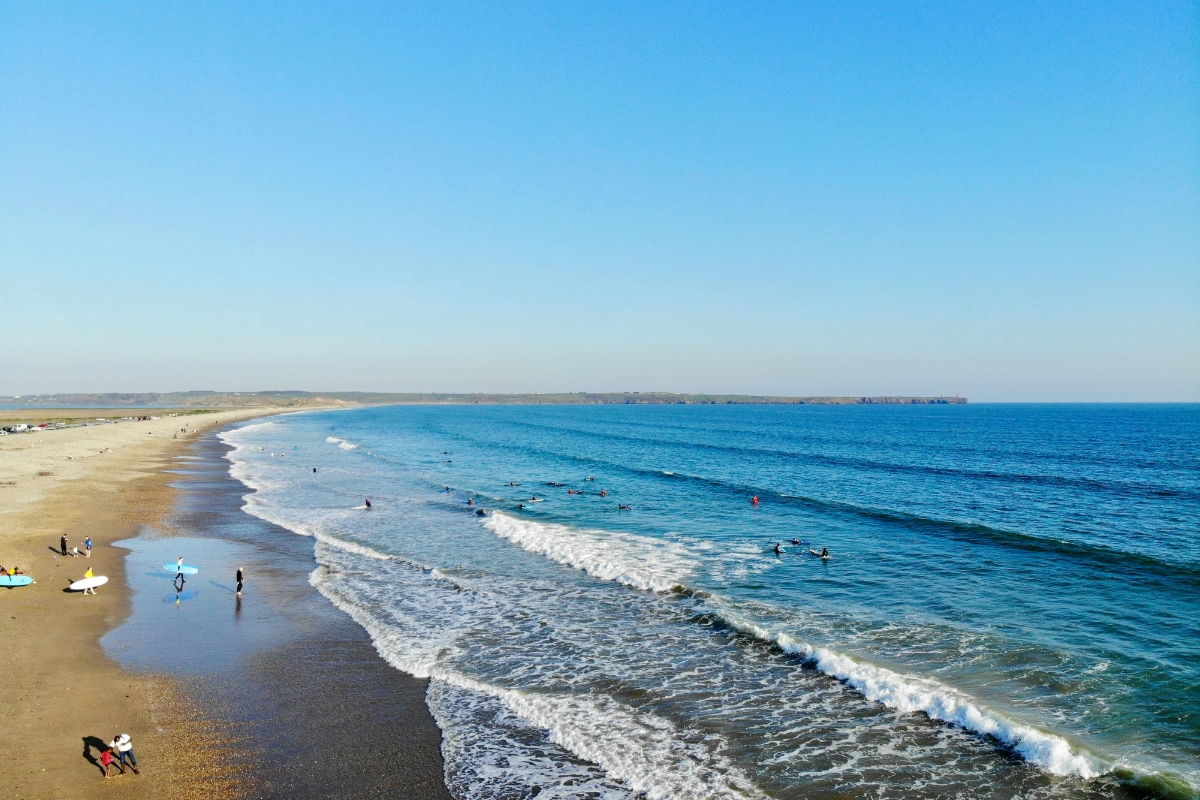
Staying and surfing in Donegal
We mentioned that Donegal is our favourite region in the country. And that's for good reason.
It's easily one of the most consistent surf zones in Ireland. With ultra-fun beach breaks, reliable swell and easy access to both north coast and west coast setups.
If you want a solid base close to great surf spots, we've partnered with Donegal Surf House, a purpose-built surf house designed for surfers.
It’s close to the coast, set up for comfort and ideal if you want to surf, eat well and reset before the next session. And honestly… whether you’re travelling solo or with mates, it’s one of the best bases for exploring surfing in Ireland.
There are options for learning to surf with local surf schools offering classes nearby, while intermediate surfers can chase better conditions just down the coast.
We run our trips here during summer, which is the best time of year for beginner and intermediate surfers in Ireland, with friendlier waves, lighter winds and longer days in the water.
Hence why we’ve linked up with these local legends.
FAQ: What does surfing in Ireland really feel like?
Q. Is Ireland good for surfing?
Yes. Ireland has some of the most consistent surf in Europe thanks to regular North Atlantic swell, especially along the west coast.
Q. Can beginners surf in Ireland?
They can. Many beach breaks work well for beginners, particularly in summer, and there are plenty of surf schools that offer lessons. We're happy to take you surfing at waves that match your skill level. It's what we do!
Q. When is the best time to surf in Ireland?
Winter has the biggest and best surf, but summer offers smaller waves, better weather and easier conditions for most surfers. There's also more of a vibe during summer, with beach bars and parties that are super fun for winding down after a big day in the water.
Q. Is the water cold in Ireland?
Yes. Water temperatures stay cold year-round, so a good wetsuit is essential even in summer.
Q. Where is the best surf in Ireland?
The west coast is the most reliable, with County Donegal, County Sligo, County Clare and County Kerry all offering great surf spots.
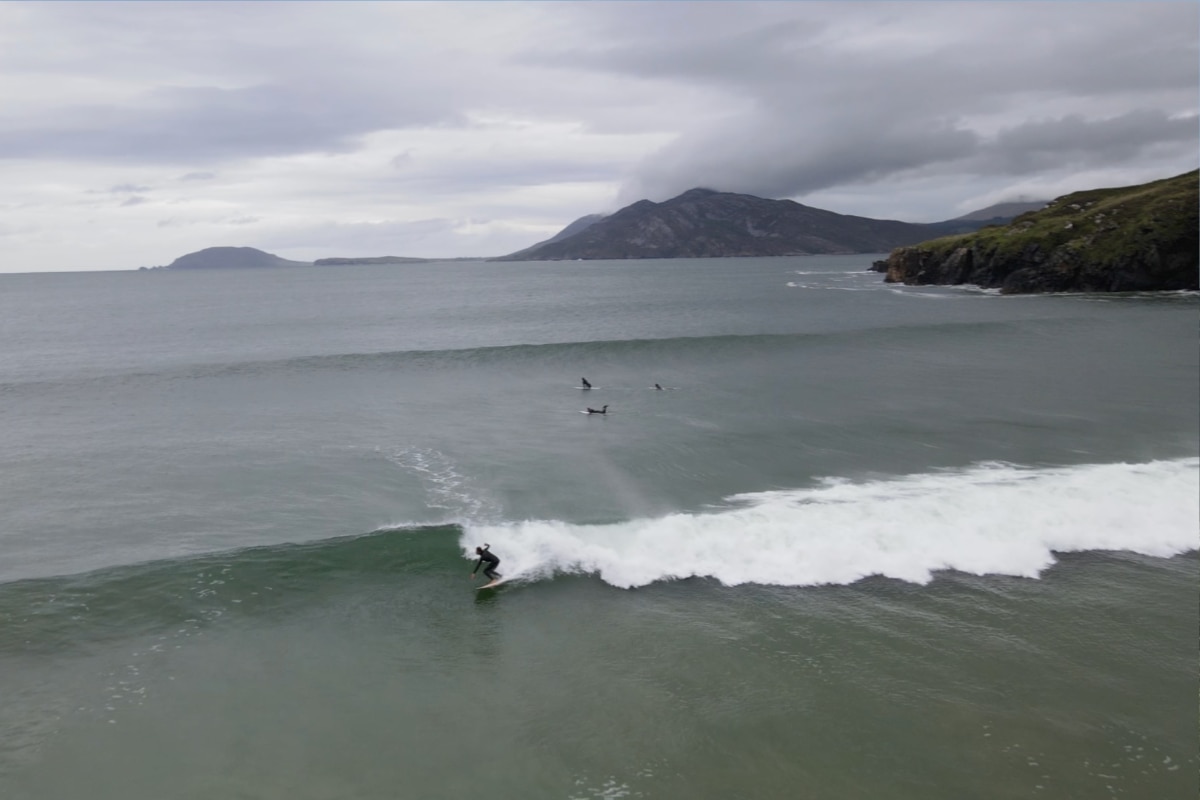
Final thoughts
Ireland surf isn’t easy (unless you've got a local in your back pocket) and it isn’t polished. But it’s unique and deeply satisfying.
Surfing here is about reading the sea, watching the wind and earning your waves. Crowds are usually light but conditions can be serious. Expect cold water and ever-changing weather, balanced by some of the most dramatic coastline in Europe.
With waves rolling in from the North Atlantic, endless beach breaks and a coastline built for exploration, surfing in Ireland delivers some of the best surf experiences in the world.
Get in touch if you're seeking a left-of-centre surf experience that's uncrowded and ripe for adventure!